
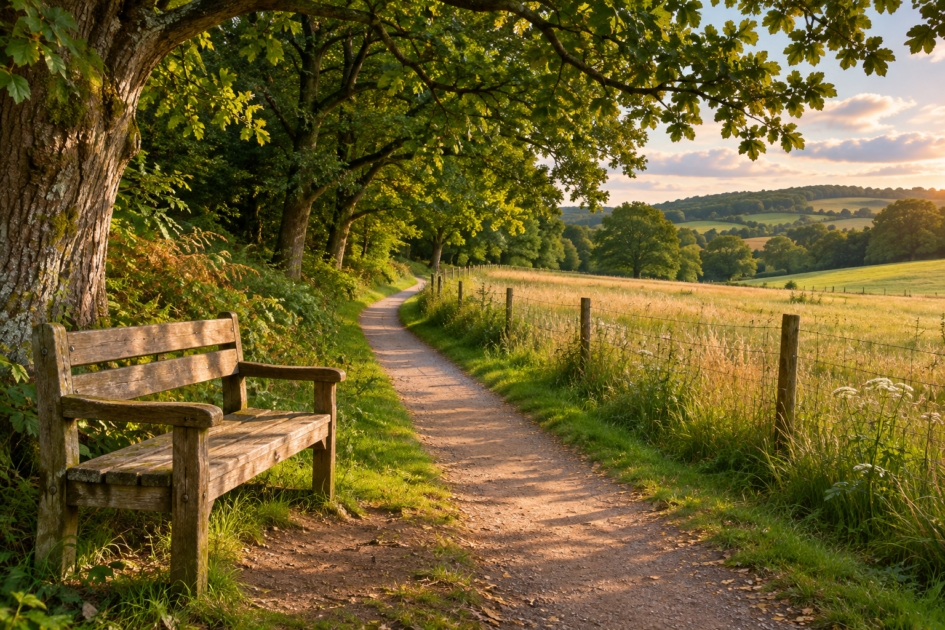
A personal walking map can record impressions as well as direction. Start with a route you already know and sketch its main turns from memory. Leave space for the places where you tend to slow down or look around.
Add landmarks that matter to your experience: an opening between trees, an inviting bench or a view across a field. The drawing is a journal page, not a navigation aid, so it can give more space to a memorable corner.
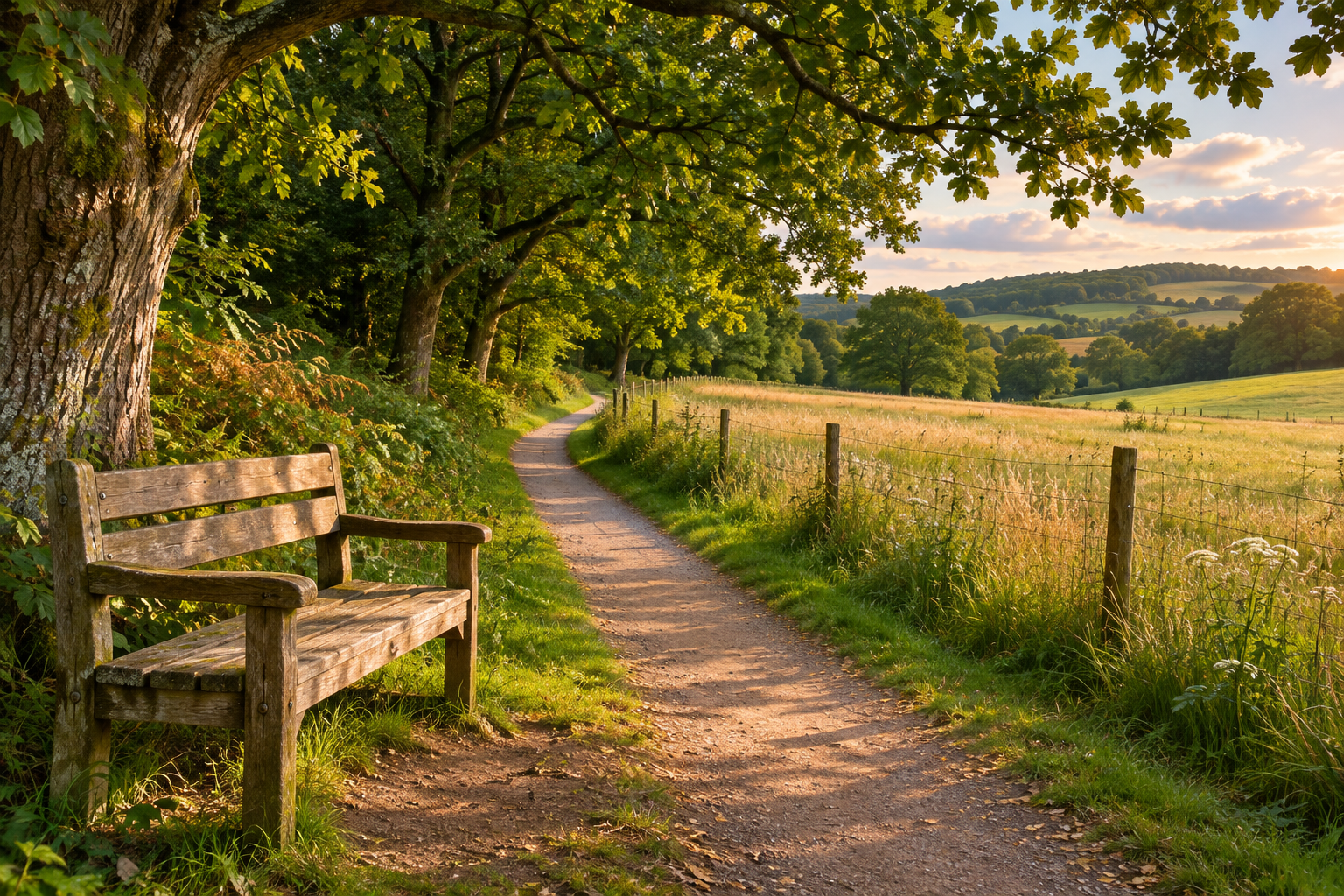
After the next walk, annotate the sketch with a different colour. Note what you remembered accurately and what you had overlooked. The gaps are often the most interesting part because they reveal where your attention usually goes.
Keep the original rather than correcting it into a perfect diagram. A series of these maps shows how your relationship with a route develops. The path may remain unchanged while its personal landmarks gradually become richer.