
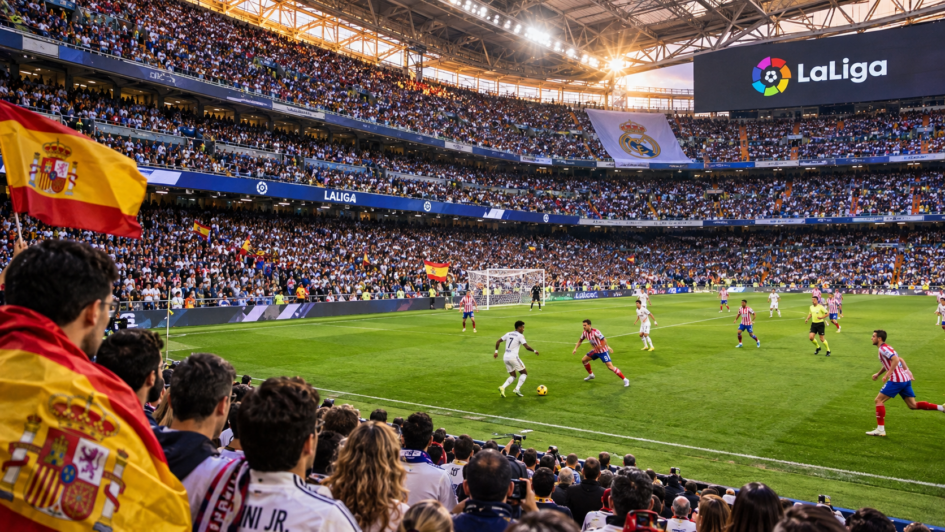
Spanish football has a rhythm of its own. A match can unfold through patient passing, sudden changes of tempo and carefully timed movements that gradually open spaces in the opposition’s defence. Sometimes the most important contribution comes not from the player who scores but from the midfielder who creates room, the defender who anticipates danger or the forward whose movement makes an entire attacking sequence possible. Exploring La Liga match replays offers an opportunity to revisit these details and discover the deeper stories behind the final score.
La Liga is one of the most recognisable football competitions in the world, but its appeal extends far beyond its famous clubs and celebrated players. It brings together contrasting tactical philosophies, historic rivalries, regional identities and generations of emerging talent. Every season introduces new personalities and unexpected developments, while familiar institutions continue to shape the character of Spanish football.
Watching a match again can reveal aspects of the game that are easy to miss during a live broadcast. Without the pressure of following every incident as it happens, viewers can pay closer attention to positioning, movement, decision-making and the small changes that influence the direction of a contest.
A Competition Defined by Different Football Philosophies
One of the most interesting features of La Liga is the variety of approaches used by its clubs. Spanish football is often associated with possession, technical skill and intricate combinations, yet the competition contains many different interpretations of the game.
Some teams prefer to build attacks patiently, using short passes to move opponents away from their defensive positions. Others focus on quick transitions, trying to exploit open spaces immediately after winning possession. Certain sides defend with a high line and press aggressively, while others remain compact and wait for opportunities to counterattack.
These contrasting methods create tactical encounters that can be fascinating even when the score remains unchanged for long periods. A team may dominate possession but struggle to penetrate a disciplined defence. Its opponent might have fewer opportunities to control the ball but remain dangerous whenever space appears behind the defensive line.
A complete match provides a clearer picture of how these strategies develop. Viewers can observe whether a team changes its pressing approach after the break, how its full-backs contribute to attacks and whether midfielders adjust their positions to deal with an opponent’s movement.
The final result tells only part of the story. Understanding the tactical decisions behind it makes the competition considerably more engaging.
The Midfield Battle: Spain’s Enduring Football Tradition
The midfield has traditionally occupied a special place in Spanish football. Generations of players have demonstrated how technical ability, awareness and intelligent positioning can influence a match without necessarily producing spectacular individual moments.
A midfielder is responsible for much more than passing the ball forward. The position requires an understanding of space, the ability to recognise pressure before it arrives and the discipline to maintain balance when teammates move into attacking areas. A well-timed movement can create a passing option that did not exist a moment earlier.
These details are particularly interesting when watching a match for a second time. During the original broadcast, attention naturally follows the player carrying the ball. On another viewing, it becomes easier to notice the teammate moving into space, the opponent attempting to close a passing lane or the defender stepping forward to prevent an attacking player from turning.
Such movements often determine whether an attack develops successfully. A simple pass can become decisive because the player receiving it has already created the right angle. A forward may not touch the ball at all but still influence the action by drawing a defender away from a dangerous area.
This is one reason why full-match viewing can provide a richer understanding of individual performances. It shows how football intelligence operates throughout the contest rather than reducing a player’s contribution to goals, assists or memorable highlights.
Historic Rivalries That Continue to Shape the League
La Liga’s history is inseparable from its major rivalries. The meetings between Real Madrid and Barcelona attract worldwide attention, but the emotional landscape of Spanish football includes many other encounters with equally important local meanings.
El Clásico represents more than a contest between two successful teams. It brings together generations of sporting memories, different club identities and the expectations of supporters who have followed the rivalry for decades. Every new meeting becomes part of a much larger story.
Looking back at historic encounters reveals how the rivalry has changed. Different generations have introduced new tactical ideas, playing styles and individual personalities. Some matches are remembered for exceptional attacking performances, others for defensive discipline or dramatic late developments.
Regional derbies provide another perspective on Spanish football culture. The rivalry between Athletic Club and Real Sociedad carries a strong connection with Basque football identity. The Seville derby brings together two clubs whose supporters share a city but experience its football culture through different traditions. These fixtures demonstrate how local history can give an ordinary league match an extraordinary emotional dimension.
Revisiting such encounters makes it possible to appreciate more than the goals. The atmosphere, the intensity of individual challenges and the reactions of players and supporters all contribute to the meaning of a rivalry.
The Clubs Beyond the International Spotlight
Although the most famous teams often dominate international coverage, La Liga’s character depends on the contribution of its entire membership. Clubs outside the traditional title race regularly produce memorable performances, develop talented players and challenge established expectations.
Teams such as Real Sociedad, Villarreal, Real Betis, Sevilla, Valencia and Athletic Club have distinctive histories and football identities. Their ambitions differ, but each contributes to the competition’s wider sporting culture.
Some clubs are recognised for their commitment to developing young players. Others have built reputations through strong tactical organisation, energetic home performances or the ability to compete with opponents possessing greater resources. Their individual approaches make the league less predictable and create opportunities for unexpected results.
These matches can be particularly rewarding to revisit. A narrow victory may reveal how effectively a team managed pressure. A surprising result against a leading opponent may demonstrate the importance of preparation and collective discipline. A difficult away performance can show how a side responds when it is forced to defend for long periods.
Following the entire competition rather than concentrating exclusively on its biggest names provides a broader understanding of Spanish football. It also allows viewers to discover players and teams whose stories deserve more attention.
Young Talent and the Next Generation of Spanish Football
Youth development has long been an important part of Spain’s football culture. Academies and club development systems have helped produce technically accomplished players who are comfortable operating in tight spaces and making decisions under pressure.
However, the transition from promising prospect to established professional is rarely straightforward. Young footballers must learn to deal with the physical intensity of senior competition, the expectations of supporters and the tactical demands of different opponents. Technical ability may attract attention, but consistency and decision-making determine how successfully a player adapts.
A full match offers a more complete view of this process. Instead of seeing only a successful dribble or a goal, viewers can follow a young player’s performance across the entire contest. They can observe how the player reacts after losing possession, whether confidence remains after a mistake and how effectively the player contributes when the team is under pressure.
These details help explain why development takes time. A talented player may produce an outstanding attacking moment but still need experience in defensive positioning or managing the tempo of a game. Another may not score or assist but demonstrate maturity through intelligent movement and reliable decision-making.
La Liga continues to provide a competitive environment in which emerging players can develop alongside experienced professionals. This combination gives the competition a sense of continuity while allowing new footballing personalities to establish themselves.
Why a Full Match Tells a Different Story from Highlights
Short highlights have become an important part of modern football culture. They allow supporters to catch up with goals, saves and major incidents when they cannot follow a match from beginning to end. Their convenience is undeniable, but their format naturally leaves out much of the contest.
A brief compilation usually focuses on moments with immediate visual impact. It may show a goal without including the movement that created the opening, or present a goalkeeper’s save without showing the sequence of pressure that led to it. The viewer receives a selection of memorable incidents rather than the complete sporting narrative.
A full replay offers a different experience. It preserves the quieter periods, tactical adjustments and changes in momentum that give decisive moments their context. A team that scores late may have spent much of the match gradually increasing pressure. A defender who makes a crucial intervention may have been organising the back line effectively for the entire evening.
There is also a difference between full-match footage and extended highlights. Extended packages provide more context than short summaries, but they still select particular moments. A complete replay allows viewers to follow the entire sequence of events and form their own understanding of how the match developed.
For tactical enthusiasts, this distinction is especially valuable. For casual supporters, it can make familiar clubs more interesting by revealing aspects of their performances that are not always visible in a short recap.
How Modern Football Has Changed the Viewing Experience
The way audiences watch football has evolved considerably. High-definition broadcasting, additional camera angles, improved replays and statistical graphics have transformed the presentation of professional matches. Viewers can now examine incidents from different perspectives and gain a better understanding of the decisions made on the pitch.
A wider camera angle, for example, can reveal how a defensive line moves together or how an attacking player creates space by moving away from the ball. A replay of a passing sequence may show why a particular option was available and how quickly the players involved recognised it.
Statistics can add another layer of context. Possession figures, passing accuracy, shots and defensive actions help describe aspects of team performance, although numbers are most useful when considered alongside the actual events of a match. A high possession percentage does not automatically indicate attacking superiority, just as a large number of shots does not guarantee effective finishing.
Modern coverage makes these details more accessible, but the human element remains central. Football is still shaped by confidence, pressure, instinct and the ability to respond to unexpected situations. Technology can help explain what happened, but the drama comes from the people involved.
The Emotional Side of Spanish Football
Football is often discussed through tactics and results, yet its lasting appeal is closely connected to emotion. Supporters remember the first match they attended, the player who inspired them as children and the victories that became part of family or community traditions.
Spanish stadiums reflect this connection in different ways. Some are known for intense atmospheres and demanding home support, while others have a more distinctive relationship with local history and identity. Songs, colours, rituals and long-standing rivalries give each club an atmosphere that cannot be reproduced simply by looking at a league table.
A replay can bring these memories back. It allows supporters to revisit a dramatic comeback, an important derby or a performance that marked the beginning of a memorable season. For younger viewers, older matches can also provide a way to discover players and teams from previous generations.
This emotional dimension is one of the reasons football remains relevant across generations. The names on the team sheet change, tactical systems develop and competitions become more demanding, but the connection between clubs and their supporters continues to shape the experience.
Looking Beyond the Final Whistle
Every La Liga season is made up of more than its final standings. It contains unexpected victories, emerging talents, tactical experiments, historic rivalries and performances that gain significance as the campaign progresses. Some matches are remembered immediately, while others become important only when later events reveal their place in a club’s wider story.
Returning to previous encounters can change how supporters understand those developments. A difficult defeat may reveal the beginning of a tactical problem. A young player’s modest contribution may look more impressive after a successful breakthrough season. A derby victory may become part of a larger story about local pride and sporting ambition.
Spanish football rewards those who look beyond the headline result. Its variety of playing styles, regional traditions and individual personalities creates a competition with many different stories unfolding at once. Watching a match again provides the time and perspective to appreciate them.
The most memorable moments may be the goals and celebrations, but the complete story is written through every pass, movement, defensive decision and change of momentum. That is what makes revisiting La Liga so rewarding: the final whistle may end the match, but it does not have to end the opportunity to understand it.
Leave a Reply